Anima Leadership believes in a compassionate approach to racial justice: that means making issues of equity, diversity, and inclusion more accessible and understandable to everyone. Join us on the Anima Blog as we journey with you from diversity basics to advanced belonging framed around pop culture, current events, and more.

Why Brave Conversations are an Essential Part of an Inclusive Workplace

October 18, 2024

When we inhabit a body that marks us as “other”, we know what it feels like to have our bodies and our identities prodded, poked, scratched, and marred by a world that was not built for us. It can be painful, which leaves us with the choice to suffer this world or to change it. So, what can we do if we decide to change it?

Changing harmful patterns, especially around race, means doing something that can be terrifying: stepping bravely into difficult conversations around race. This can feel like a trial-and-error process (though it can be easier with expert EDI training). We need to learn to pick our battles, expand our viewpoints, and accept that sometimes we’ll get it wrong. We also need to learn to apologize, repair relationships, and move forward after embarrassment. Most importantly: we need to learn that we are not alone in struggling to have those brave conversations and wanting to make change.

What does it mean to have a brave conversation around race, and why does it feel so hard?

When we have a brave conversation around race, we step into potential discomfort and sometimes conflict to name, engage and change harmful racial patterns. This can look like intervening in a moment of bias or discrimination, openly naming an inequity that is being ignored, asking for something that requires vulnerability, or accepting that you have made a mistake (to name a few).

Talking about race and racial inequity, especially in North America, can be scary in today’s polarizing landscape. When we engage in conversations around race, our unconscious minds flag that we may be entering a zone of conflict, and we may feel or act in a variety of ways, including:

  • Defensiveness or shame at being wrong or not knowing something;
  • Feeling more empathy for sameness and fear towards difference;
  • Trouble seeing other people’s point of view;
  • Fear of breaking normative cultural rules and values;
  • Difficulty advocating for ourselves.

We can use the rider and the elephant metaphor to better understand why this happens:

The rider represents our conscious mind (which houses logic, reasoning, and abstract thought), and the elephant, a much larger part, represents our unconscious mind (the part that houses emotion, reactions, and gut instinct). Researchers believe humans don’t need to have a bad experience with a snake to fear it. It is passed down in our DNA. Thousands of years ago, when our ancestors saw an unfamiliar object on the road, they did not have the time to think – is that a snake or a stick? They had to respond and had to respond quickly. Their fight/flight response would kick in.

The fight/flight response lives at the elephant level, bypassing our rider to allow for quick decision-making. Reactions to snakes and spiders happen at the elephant level, but so do reactions to conflict.

Today, the topic of race can feel fraught with potential conflict, and our elephants notice this. When we engage in conversations around race, our elephants are often activated, moving into fight or flight to prepare us for conflict. However, this limits our ability to have honest, vulnerable, and meaningful conversations and, in turn, limits our ability to break harmful racial patterns.

Why bother having a brave conversation around race?

Over the last few years, Anima Leadership has run trainings, seminars, audits, and coaching sessions to support people in developing their equity skill set. Especially after the murder of George Floyd, many white allies came to us to educate themselves and set out to make change.

However, over the last year, this group, many of whom previously approached this work with passion and vigour, has started to fade. In feedback surveys, we have seen a trend of white allies suggesting this work is too uncomfortable for them now and that they are making a choice to walk away.

Equity work is hard. This is true. Having conversation after conversation about racism, sexism, homophobia, ableism, transphobia etc. and how to stop it is hard. It is tiring work, and it involves an emotional commitment. But walking away from it does not mean the systems of oppression disappear. Our white allies can step back because they have the option to do so. Many of us, myself included, can not. We must keep having brave conversations about race because racism still exists.

What do I do next?

When our elephants are constantly activated, it can be exhausting. We cannot permanently exist in a state of flight or fight, but we need to remember that our elephant has a rider, and we want to strengthen the connection between the two. We can train our rider to notice when our elephant is activated, and in turn, we help ourselves to ground, recenter, and be present during conversations around race. The three key pieces for your rider to explore are:

  1. Understand your “elephant” better
    Learn what activates or triggers your elephant (e.g. behaviours, words, actions, scenarios), and learn how this activation feels in your body so that you can identify it more quickly (e.g. sweaty palms, racing heart, spiraling thoughts).
  2. Identify practices that allow you to support your elephant
    Find the ways that allow you to return to the present moment. This looks different for everyone and can range from taking a walk to deep breathing to physical touch
  3. Practice and prepare
    Deep listening, de-escalation training, knowing how to provide constructive feedback, and exploring how identity and history contribute to conflict are all things your rider can practice to offer your elephant support.

This is an invitation

To the communities of colour who cannot leave the racial justice space because we are physically coded “other”: this is also an invitation to you to take care of your rider and your elephant. So often, we are thrown into brave conversations about race just because we exist in non-white bodies. In those conversations, many of us have learnt to sever the ties between our rider and elephant so that we are not perceived as too emotional. We do this to stay safe – at work, school, and public spaces. But the elephant still exists. If we do not foster a relationship with it, it can overpower us, leaving us burnt out and hopeless. We deserve to make choices born of both the rider and the elephant.

To our white allies who have taken a step back, take this time to build the capacity of your rider to care for your elephant. Think about how and why you needed to leave, set new goals for yourself, and consider who you need to rebuild and repair relationships and trust with. Then, come back into the racial justice space—because the door is still open if you are brave enough, and it’s a step we need to take collectively to achieve true inclusion in the workplace.


Rebecca D’Souza

JEDI (Justice, Equity, Diversity and Inclusion) Educator

Rebecca is a life-long learner and educator with a passion for creating healthy communities. As a first-generation immigrant and cis woman of colour, she wants to understand how our identities engage with each other and with the world around us, and to create spaces where people of all identities can thrive. She has spent the last 10 years in non-traditional educational settings developing and facilitating harm reduction, community engagement and JEDI work.

Episode 18: EDI is not Dead: Facing the Backlash Together

November 27, 2024
Apple PodcastsAnchorBreakerGoogle PodcastsPocketCastsRadio PublicSpotifyRSS

Join Annahid Dashtgard, and Shakil Choudhury in a conversation about equity, diversity and inclusion.

Anima Leadership co-founders Annahid Dashtgard and Shakil Choudhury host an interactive conversation about this tricky moment in equity, diversity and inclusion work.

Topics include where we are in challenging times, how we can navigate these changes together as a community, and how Anima Leadership can offer some extra support.

For more about taking a harm reduction approach to EDI work in these polarizing times.

What DEI Means: A Harm Reduction Approach

October 25, 2024
What DEI Means, 2 people chatting

Is it time to rethink EDI? We think so.

At Anima Leadership, we know that shame and blame are not the most effective motivators. Instead, our approach to diversity, equity and inclusion (DEI) is rooted in compassion and the careful development of equity literacy.

Equity literacy emphasizes, wherever possible, calling people in instead of calling them out, naming solutions instead of shaming mistakes and helping people learn instead of punishing them for what they don’t yet know.

When we allow ourselves to rethink how we teach equity, diversity and inclusion, we can use best practices and frameworks from other fields like psychology, behavioural science, and even harm reduction to find new approaches that can have a lasting impact.

A Harm Reduction Approach to DEI?

The harm reduction approach developed as a support for persons affected by habit-forming substances such as drugs or alcohol, is about seeing the potential for harm and stepping back to consider what we can do now to create safer conditions for those involved. 

And, the harm reduction framework isn’t new, in fact we use it everyday. Imagine every time you drive a car: we know that we can’t avoid all car accidents, but we can use seatbelts and airbags and kids car seats to reduce the risk of harm when or if they happen. This is harm reduction! A harm reduction framework is also used for those using substances to promote safer use when abstinence isn’t possible. For example, someone may choose to use a patch instead of smoking a cigarette, or use drugs in a supervised space rather than on their own.

In DEI, we can borrow some of this approach as we acknowledge that relationships, too, carry inherent risk. There is a risk we may unintentionally hurt someone we love with a careless comment, just as there’s a risk we may only recognize our own bias after we’ve said or done something that causes harm to a marginalized colleague, employee or friend.

DEI as Harm Reduction

We can also consider systemic racism in the frame of harmful bias “habits” that manifest across sectors and institutions. Thanks to historical and current day policy, practices and behaviours, racism can become implicit, hidden and compulsively repetitive. 

Tackling this injustice—one that disproportionately impacts minoritized communities—is at the heart of equity and human rights work. But the approaches we employ, especially in EDI education, are different…and these differences matter. Research has proven that judgment and shame from others do not help people with addictions engage in treatment and get better; these same negative attitudes do not help people learn to identify and break our prejudice habits associated with systemic forms of discrimination.  

DEI work is complicated, nuanced, and far-reaching. It can feel impossible to imagine a future where we’ve eliminated all bias and discrimination! But if we try to reframe DEI work through a harm reduction approach, we can acknowledge the difficulty in totally eradicating all harm or micro-aggressions while also focusing on reducing the harm we cause to others and ourselves. This allows us to learn to be in better relationships across difference and make repairs when needed…even if we’re not perfect.

And while more ideological equity frameworks encourage us to tip-toe around our every word and action following strict roles and scripts, this often leads to inauthentic relationships, performative activism and still does not reduce all possibility of harm.

If we imagine equity, diversity and inclusion as harm reduction, we can more accurately reflect what we’re working towards in justice work. If we know that we can build more inclusive spaces by working towards LESS risk and LESS harm…even if we’re not at NO risk and NO harm just yet—or perhaps ever—we can give ourselves space to learn and grow without the pressure to be perfect.

Next Steps for a Harm Reduction Approach

We may never be able to truly eradicate microaggressions, bias and inequality in all forms, but—just like with a harm reduction approach to addictions—we can reduce their impact in a variety of ways.

We can learn about other cultures so we can reduce the risk of causing upset through a culturally insensitive comment. We can take time to understand how many of us are socialized to embody behavioural habits and biases that disadvantage others, while creating policies that reduce our potential to cause systemic harm for marginalized groups. We can build our own equity literacy skills with courses and coaching to better serve our communities and everyone in them.

DEI work means adopting a harm reduction approach that makes space for us to engage in authentic learning and real relationships while understanding that sometimes there will be mistakes, there will be disagreements and there will be hurt.

But when we release the pressure to perform, we can remember that it’s much better to make progress doing good work than it is to use perfection as a reason to not do any work at all.


Anima Leadership

Anima Leadership believes in a compassionate approach to racial justice where everyone can feel like they matter and belong.

Since 2007, we have worked with thousands of individuals and hundreds of organizations teaching, consulting and coaching transformative change. Our award-winning training programs and innovative measurement tools will help us journey with you from diversity basics to advanced belonging.

Define Implicit Bias: It’s not Good or Bad, Just Human

October 25, 2024

Let’s Talk About Your Childhood

A colleague might disregard your advice in a meeting and suddenly, you’re a child and the adults are shooing you away because they feel that kids should be seen and not heard. Your boss might nitpick a mistake and suddenly, you’re 10 years old feeling unfairly punished by a parent or teacher who knows you can’t fight back. When you’re a kid, you might not have much power to speak up for yourself and there’s an almost universal experience of feeling that sting of childhood helplessness and thinking, “when I’m a grown up I’m never going to treat kids like this.”

Intuitively, we know our identities impact how others perceive us. And as kids we can look forward to the day when we’ll grow into an identity that holds more social power and commands greater respect. But we all occupy many identities – and there are some identities that don’t change.

There is no growing out of being Asian, Black, Brown or Indigenous and our society often keeps members of minoritized racial groups in a state of perpetual infantilization; continuing to downplay their perspectives, dismiss their thoughts and deny their autonomy well into adulthood. It’s quite common for members of racialized groups to talk about experiencing subtle comments or actions that reveal that those around them view them as less than – we call these micro-inequities.

For kids, we understand that they’re still growing and learning so sometimes adults need to take control in order to act in a child’s best interests. But when members of minoritized racial groups are being treated unfairly, these actions often indicate that those around them have internalized and are playing out historically harmful stereotypes and inaccurate implicit biases about racialized groups.

Let’s define implicit bias: Yes, you have it, No you’re not evil.

Our brains naturally do a miraculous job of helping us move through the world by quickly processing information to make sense of our surroundings, remember subtle details and identify helpful patterns. But that means that sometimes in our minds, someone’s identity speaks before they do.

We might think of racism as an intentionally malicious act against another person — but it’s not always that simple. When we grow up in societies where we’re taught harmful stereotypes about people based on racial identity, we internalize these stories. Then when our brain kicks in to “help” us create biases based on those stories, we unconsciously begin to perpetuate harmful stereotypes.

All humans have implicit bias and most of us are unaware of those biases until they come out in micro-behaviours that are noticeable to other people. But this does not automatically make us bad – it makes us human.

When someone points out that we have said or done something that was harmful to them or their social group, take time to notice how it makes you feel. When we want to do good and are told we’ve done something wrong, it’s common to react from a place of shame, guilt or defensiveness.

When We Know Better, We Do Better

women looking shocked, Define Implicit Bias

It’s helpful to remember that when someone trusts you to get vulnerable and say, “Hey, what you said really hurt me,” they are usually coming from a place where they see that you are trying. They likely believe in your capacity for change and want to help you understand them so you can both be in better relationship.

Truly being inclusive requires us to be more aware of the experiences of other people. And sometimes stepping into that awareness involves getting a little uncomfortable as we wade through the emotions that come from our own conscious and unconscious ideas around race, identity and power.

Remember that equity work is not about identifying who is good or bad. It’s about looking at the world and identifying who is and who isn’t being considered – then doing our best to meet people with care and compassion as we create environments where everyone matters and belongs.

Now What?

Remember that forming biases is a natural part of the human experience. And although it can be hard to hear that we’ve said or done something that’s harmed a member of a racialized group, this is not always an immediate judgment of our character: it’s an assessment of the biases we’re carrying.

We can all work on the skills of being able to catch ourselves, step into courageous conversations and do the work required to develop our equity literacy to promote a truly equitable workplace environment. Start by noticing where and when you’re bias shows up, define the implicit biases you have, and start giving your brain multiple options rather than the single default story.

Not sure where to start? For more on how you can transform your workplace without shame or blame, join our Deep Diversity Summer Institute.

Anima Leadership

Anima Leadership believes in a compassionate approach to racial justice where everyone can feel like they matter and belong.

Since 2007, we have worked with thousands of individuals and hundreds of organizations teaching, consulting and coaching transformative change. Our award-winning training programs and innovative measurement tools will help us journey with you from diversity basics to advanced belonging.

Dear Canada

June 27, 2023

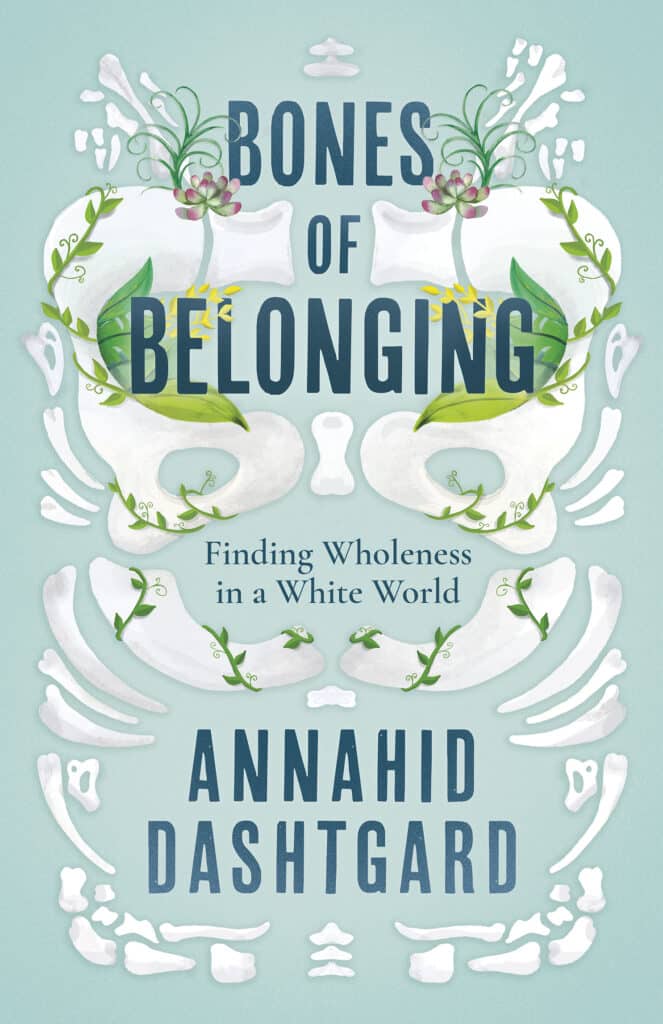
By Anima CEO, Annahid Dashtgard. An excerpt from her new book Bones of Belonging: Finding Wholeness in a White World.


I’ve known you now for close to four decades. You and I first met when I was a scrappy nine-year- old Brown kid who arrived on your soil from England by way of Iran. Your grand open spaces shocked me after the boisterous, crowded streets of Tehran, and the more placid yet still crowded townships of England. You took my breath away with the way your prairie sky could change shades from cobalt to cerulean to midnight blue and the fact we could drive for miles sometimes without seeing anyone on the road.

Your endless, unblemished open spaces, and younger culture held so much possibility. Anything could happen. I could be anyone here, someone.

That dream quickly died when I was made fun of, spat on at school, failed for no reason when trying for another Girl Guides badge. I stood out for reasons of both skin colour and ethnicity, and it made me very afraid to stay with you. The never-ending whiteness of your winter landscape, and of the people surrounding us, seemed like impenetrable barriers. Where was your heart, I wondered, as I closed mine off to you?

I stood out for reasons of both skin colour and ethnicity, and it made me very afraid to stay with you.


Ours being an arranged relationship, leaving was not an option. I was forced to spend more time getting to know you. Diving into shockingly cold yet serene lakes of turquoise nestled into your Rocky Mountains became second nature. I found my imagination sparked in the light-filled public library, a twenty-minute walk from my childhood home (as was anywhere else I travelled). I was cared for through multiple hospital visits where as a new immigrant family we never had to worry about costs. And then there were always people who appeared like magic at times when most needed … a superintendent who agreed to send me to a different school district, a neighbour who gifted a crocheted square, which I slept with throughout my entire childhood, a teacher who helped me create a high school chapter of Amnesty International that got me started on the path to activism. Through the thorny brambles of suspicion surrounding us, the goodness of your people found a way to seep past the protected facade I learned to put up.

As a young adult I began to travel across your vast landscape, gradually delighting in the diversity that I learned is such an essential part of who you are. I carefully picked sea-tossed pebbles off the wild ruggedness of your eastern shores while being welcomed into the homes of the most bighearted people. I took the ferry to various Gulf Islands off the coast of Vancouver and traversed the landscape that brought the Group of Seven to fame.

The defining moments of growth for you over this last quarter century are also mine. I wept on first learning the plight of Indigenous people across this country through the Oka standoff in 1990. I panicked at the 1995 Quebec referendum and the potential loss of one of our largest provinces. I marched in Quebec city against the Free Trade Area of the Americas Agreement in 2001 with a hundred thousand others, and then again to protest Bush’s invasion of Iraq two years later. I have voted in every election since reaching legal age and have organized national political campaigns sweeping shore to shore. I have talked to your media and politicians and jostled for a better, more just Canada. Over the years, you and I, we have learned to co-habitate.

The defining moments of growth for you over this last quarter century are also mine.


I am now an adult in middle age who has found her sea legs in Toronto, marrying another of your adopted brood, a Brown boy from Pakistan who moved here, too, when he was young. Together we started a business teaching others what it means to belong. Our children attend the elementary school across from our house, and twice a year we participate in a street barbecue my husband started that has been going on for more than fifteen years. Although I still live with the fear of being targeted for the ways my race, culture, and personality stand out from the norm, I have learned over time that your people’s generosity outweighs their fear of difference.

I think sometimes of my ex-homeland with fondness, and other times with longing, but most of me is now rooted here. I don’t know if I can say thank you for taking me in. I have also given everything I have to you. You continue to take so much, and much more from people who have inhabited this land the longest. What I can say is that I am glad to be here, waking up to you each morning, working alongside so many others to make this country a refuge for all.

Ask me which place is home, and my only answer now is you.


Order your copy of Bones of Belonging

Sharp, funny, and poignant stories of what it’s like to be a Brown woman working for change in a white world.

I take a deep breath, check my lipstick one last time on my phone camera, and turn on my mic. It’s about ten steps, two metres, and one lifetime to the front of the room. “Hello,” I repeat. “My name is Annahid — pronounced Ah-nah-heed — and shit’s about to get real!”

Anima Leadership

Anima Leadership believes in a compassionate approach to racial justice where everyone can feel like they matter and belong.

Since 2007, we have worked with thousands of individuals and hundreds of organizations teaching, consulting and coaching transformative change. Our award-winning training programs and innovative measurement tools will help us journey with you from diversity basics to advanced belonging.

Why White Leaders Need More Racial Literacy

November 16, 2023

Original column by Annahid Dashtgard published in the Toronto Star, May 6, 2023

Race: The Elephant in the Room

In my line of work as an inclusion consultant I’m always in the thick of discomfort, working out the best way forward to lead groups toward greater cohesion. Like many others who do this work I come to it from personal experience — more explicitly, from racial trauma.

Immigrating to small town Alberta from Iran when I was 9-years-old knocked early lessons about visibility and power right into my bones, the foundation of this later life passion to create spaces where everyone matters and belongs.

Many organizations are making progress toward equity and inclusion, but I continue to notice how quickly other marginalized identities get onboarded into institutional conversations while race often remains the elephant in the room. As long as white leaders remain unwilling, or unable, to have frank conversations about race, we’ll remain stuck — because what we can’t speak about, we can’t change.

Annahid Dashtgard

This discomfort around race exists for a few key reasons. One is that we’re all more comfortable with what we’re familiar with. There are neurodiverse white people, white people of different sexual orientations and gender identities, white people with different religions etc., so conversations around these areas of difference are usually more accessible for white leaders.

The one identity white leaders can’t step into is non-whiteness: Brown, Black or Indigenous skin. It requires an extension of first empathy, then trust for white people to believe the voices of people of colour when they speak about their experiences.

When my memoir came out in 2019 I remember some white people saying they didn’t think I was “dark enough” to experience racism. I wish they could have been there in all the hundreds of moments I was ignored, dismissed, downgraded or shamed because of my not “dark enough” skin! Why couldn’t they simply have trusted I was speaking my own truth?

Race and Polarization

This brings me to the second reason I think race is so hard to talk about: the current highly charged political climate. I have met white people who are so afraid of being labelled a racist that they avoid any discussion of race altogether. There’s so little room to make a mistake that many people feel they don’t even have the space to try, which is a problem because making mistakes is how we fundamentally learn as human beings.

Yet, when white leaders can’t talk comfortably about race, the fallout always lands on the shoulders of their non-white colleagues, who are experiencing the race-based discriminatory patterns.

I’m now leading two BIPOC Leader Labs for institutional leaders from different sectors across North America and many of them talk about the double bind of being asked for equity advice and then not being believed when they voice what they see or experience. I am always humbled by their courage toiling for change in white-led organizations, but BIPOC leaders can’t be the only ones doing the work.

Leaning Into Conversations About Race

It is time for white leaders to lean into conversations about race, not despite their power but because of it. This is an important caveat because white people bending over backward to accommodate everything people of colour ask is almost as unhelpful as white people shrinking back in fear and avoiding the topic altogether.

So how do you stay open without collapsing? You start developing racial literacy, a long-term skill that takes practice and time (360 hours plus, to be specific) to achieve. White leaders can start by accessing any number of resources racialized experts have put out into the world, including myself. My latest book, “Bones of Belonging: Finding Wholeness in a White World” is such a resource and was just published.

Books-Bones-of-Belonging-663x1024

With literacy comes familiarity and familiarity dispenses fear — fear of discomfort, fear of judgment, fear of doing or saying something wrong or any of the other fears white leaders face. We Brown, Black and Indigenous leaders are here courageously carving the path forward, we’re just waiting for everybody else to show up.

Anima Leadership CEO Annahid Dashtgard seated looking at the camera in a red blazer.

Annahid Dashtgard

CEO and Co-Founder, Anima Leadership

As a seasoned change-maker and non-fiction author, Annahid has worked with hundreds of organizations and leaders to create more just and equitable futures. She’s a first generation immigrant woman of colour whose inaugural book—Breaking the Ocean: A Memoir of Race, Rebellion and Reconciliation documents her journey identifying and healing from racial trauma. Her latest book Bones of Belonging: Finding Wholeness in a White World is a set of poignant, humorous and timely stories translating everyday racism to ordinary life.

Annahid has a Masters in Adult Education and has trained in various psychological modalities to understand the root of systems change in human consciousness. She has spend more than two decades consulting, educating, coaching and writing on EDI (equity, diversity and inclusion) issues across both public and private sectors.

Episode 17: Stories of Belonging: Finding Wholeness in a White World

April 17, 2024
Apple PodcastsAnchorBreakerGoogle PodcastsPocketCastsRadio PublicSpotifyRSS

Join Annahid Dashtgard, Kwame Scott Fraser, and Farzana Doctor in conversation about what it means to belong as racialized individuals—in a profession, to a country, even within our own skin.

Cultivating belonging could be voted the top human challenge for the twenty-first century. Meeting it is not going to come from facts alone, but will be driven by stories—all of our stories, but especially the ones yet untold. Drawing inspiration from Anima CEO Annahid Dashtgard’s recent book Bones of Belonging: Finding Wholeness in a White World, this intimate discussion pulls in an array of voices on different themes of what it means to belong as racialized individuals—in a profession, to a country, even within our own skin.

Listen to Annahid Dashtgard, Bones of Belonging publisher and Dundurn Press President Kwame Scott Fraser, and psychotherapist and author Farzana Doctor for this authentic no-holds barred conversation, where the curtain of whiteness is pulled back to reveal the steep price of conformity.

Listen to this podcast to learn more about this essential reframing of equity, diversity and inclusion work and how to apply it to your own leadership development.

Order your copy of Bones of Belonging.

How to Avoid Burnout: Data-Driven Solutions for Chief Diversity Officers

June 12, 2023

Equity, diversity and inclusion (EDI) work can be incredibly rewarding, but like any job it has its challenges.

And while it’s common for Chief Diversity Officers or folks in similar positions to push through their stress because of their emotional commitment to the work — this often leads to burnout.

Your emotions are valuable data that something is wrong and they shouldn’t be ignored. So instead of trying to overcome your feelings, learn how to overcome the common EDI barriers at the root of your workplace woes.

This blog post is a resource to help you identify your problems while learning how to craft solutions with your most valuable asset: data-based decision making.

Leadership


The Problem

Leadership can be a point of stress when you’re not aligned on strategy, EDI knowledge or emotional capacity.

For example, if you want to run a series of trainings but leadership doesn’t understand why, you won’t get the funding you need for the initiative. If you collect a mass of EDI data but leadership feels embarrassed or panicked by the results, they have the power to shut everything down without warning.

This is why at Anima we say, “slow is fast.” Change-makers can lessen the chance of leadership pushback by meeting leaders where they’re at, getting aligned and gradually building everyone’s capacity for EDI work.

Here’s What to Do:

  1. Suggest an initial EDI training for your leaders as an entry point to develop their own equity literacy, so they can understand the nature and scope of your work.
  2. Recommend a free EDI audit like the Deep Diversity Solo Snapshot that can give you some sample data without overwhelming leaders with information.
  3. Remember that meaningful change takes time and you’re not failing by moving slowly. Yes, EDI is an urgent issue but moving effectively is more important than moving quickly.

Busywork


The Problem

Busywork thrives in environments where decisions are anxiety-based instead of data-driven. In EDI work, leaders often consider optics and reputational risk—trying to LOOK good because they don’t know how to DO good.

This might look like a call to address a toxic culture of frequent micro-aggressions being met by leadership more interested in getting photo-ops with “diverse” staff. Or a need to make your products or job postings more accessible being ignored in favour of holding workshops that no one will attend. Maybe you’re not moving the needle at all, but leadership is hell-bent on making it look like things are happening without putting in the work.

Here’s What to Do:

  1. Collect data through an EDI audit to get a more accurate picture of the problem you’re trying to fix. If the data clearly shows that you need to be focusing on workplace culture, it will give you leverage to say no to other initiatives that are actually wasting time, energy and resources.
  2. Move away from vague intentions and towards clear goals and objectives. For example, instead of generally improving EDI maybe you specifically want to increase the hiring and retention rate of employees from marginalized backgrounds, or identify and reduce incidents of microaggressions in the office.
  3. Set aside time to routinely collect data to track your progress, create more intentional work and keep leaders accountable to make change.

Burnout


The Problem

When you get hired as a Chief Diversity Officer (or in a similar role) you may not realize that you’ll also be taking on the role of organizational therapist, business coach, EDI educator and scapegoat.

EDI work is complex, and for some your role may represent change that they’re not ready for. Staff and leadership aren’t always mindful of your humanity and can end up unfairly unloading their feelings about EDI onto you or pushing back against your efforts. This can leave you feeling burnt out on a personal and professional level.

Unfortunately, backlash isn’t an anomaly to this work—it’s an intimate part of the work and the best way to manage it is to be prepared.

Here’s What to Do:

  1. Learn to anticipate and prepare for backlash. Instead of hoping it won’t happen, get comfortable asking yourself, “what will I do when it shows up?”.
  2. Help leaders and staff anticipate changes by keeping them involved in the process with trainings and EDI audits that give voice to their perspective. People are less likely to reject change when they feel like they’ve been part of the process.

Now What?

Remember, data is your friend! EDI audits are an essential tool to keep you on track for setting and reaching sustainable EDI goals within your organization.

Curious about our assessment tools?

Get a sample of how EDI audits work with our free individual Deep Diversity® Solo Snapshot , or explore a wider range or audit tools for leaders and organizations.

Being a Chief Diversity Officer isn’t an easy job and many CDOs find themselves without the support, direction or thanks they deserve. We hope the tools shared here will bring you closer to nurturing the culture you need to thrive.

Anima Leadership

Anima Leadership believes in a compassionate approach to racial justice where everyone can feel like they matter and belong.

Since 2007, we have worked with thousands of individuals and hundreds of organizations teaching, consulting and coaching transformative change. Our award-winning training programs and innovative measurement tools will help us journey with you from diversity basics to advanced belonging.

How to Make Your Workplace More Inclusive for Transgender, Nonbinary and Gender-Diverse People

May 17, 2023

At Anima Leadership, we know that creating an inclusive workplace is essential to the success of any business. That means creating a workplace culture that is welcoming to all employees, clients and customers—including those who are transgender, nonbinary or gender diverse. So here are five things your organization can do right now that will make your office, virtual workplace, or organization more inclusive for people of all genders.

1. Make Physical Spaces Accessible for All Genders


image of gender-inclusive bathroom stalls

Maintaining gender-neutral spaces is one of the easiest ways you can make your workplace more inclusive for transgender and gender-diverse people. If barriers stop this from happening, make sure that everyone has access to existing gendered spaces that correspond with their gender. For example:

  • Make multi-stall washrooms or shared locker rooms accessible to people of all genders;
  • Clearly label single-stall washrooms as “All-Gender” with recommended signage that focuses on what is in these washrooms instead of who should be using them;
  • If others are uncomfortable with someone’s use of shared gendered spaces, advise them to use separate facilities instead of asking transgender, non-binary or gender-diverse people to change their behaviour.

2. Make Sure Your Policies and Practices Aren’t Based on the Gender Binary

Workplace policies and practices based on the gender binary (assuming the only two genders are “male” and “female” and that they must correspond with the sex assigned at birth) can inadvertently use language that excludes gender-diverse employees.

You can make existing policies more inclusive by reviewing documents, policies and procedures to remove gender-specific language and/or add options beyond male and female. For example:

  • Remove gendered language from policies by replacing “he/she” with “they”, or using gender-neutral titles like “parent” instead of “mother/father”;
  • Replace “male” and “female” checkboxes with an open-ended “gender” field—or omit gender collection entirely;
  • Include gender-neutral prefixes and honorifics like “Mx.” (pronounced “mix” or “mux”)—or omit prefixes and titles entirely;
  • Ensure uniforms and/or dress codes are not based on gender, allowing employees to present in ways that reflect their gender identity;
  • Use gender-inclusive language like “everyone” or “all of you”, instead of “ladies and gentlemen” or “you guys”.

3. Make Asking for and Sharing Pronouns the Norm

image of diverse staff speaking together

By normalizing the practice of everyone sharing pronouns, you can help create a more welcoming environment for transgender, nonbinary and gender-diverse employees. And it’s easy! For example:

  • Introduce yourself with your pronouns along with your name and title (ex: “Hello, my name is Annahid and my pronouns are she/her. I’m the CEO of Anima Leadership.”);
  • Don’t assume pronouns based on appearance, and ask for pronouns when you meet someone new (ex: “It’s nice to meet you, Shakil. What pronouns do you use?”);
  • Include your pronouns with your email signature, name tags, Zoom profile, business card and/or anywhere else you share your name and contact information;
  • Avoid language like “preferred pronouns” which make correct pronoun use seem optional.

4. Support the Trans Community Outside of the Workplace

To create a workplace that feels truly inclusive to transgender, nonbinary and gender-diverse people, it’s important that your organization supports the transgender community outside of the workplace as well. There are many ways to make your support clear to your own employees and to your clients and customers. For example:

  • Sponsor or donate to charitable organizations supporting transgender people or advocating for transgender rights;
  • Offer resources for employees transitioning, struggling with gender identity or who have loved ones who are transgender;
  • Speak out publicly against anti-trans legislation that affects your city, state, province or community and reiterate your position within your organization.

5. Invest in Ongoing Equity, Diversity and Inclusion Education for Your Staff

image of diverse staff engaged in a training

Part of making your workplace more welcoming to transgender, nonbinary and gender-diverse people is ensuring that all employees understand the importance of creating an inclusive workplace and have the tools and knowledge necessary to do so. For example:

  • Bring in external experts instead of only relying on gender-diverse employees for direction;
  • Support employee resource groups (ERGs) that improve inclusion, attraction and retention and representation of gender-diverse employees;
  • Collect demographic and inclusion data from your employees to understand your current state of inclusion and where you need to improve;
  • Invest in ongoing training that will help staff understand their own unconscious biases around gender and other areas of difference.

Now What?

The most inclusive workplaces are ones where everyone of every gender identity feels they matter and belong—and that means creating an environment that is welcoming to and inclusive of transgender, nonbinary and gender-diverse employees.

If you’re not sure where to start, invest in professional support or begin by collecting demographic and inclusion data to understand how you can improve your employees’ experience at work.

Anima Leadership

Anima Leadership believes in a compassionate approach to racial justice where everyone can feel like they matter and belong.

Since 2007, we have worked with thousands of individuals and hundreds of organizations teaching, consulting and coaching transformative change. Our award-winning training programs and innovative measurement tools will help us journey with you from diversity basics to advanced belonging.

Why collect demographic data?

January 26, 2026
alt=""

A DEI (diversity, equity, and inclusion) audit—also called an inclusion audit or diversity and inclusion audit—is like a check-up to monitor the health of your organization and guide your future strategies towards creating a healthier, more inclusive organizational culture.

Whether you’re the formal DEI lead in your organization or an employee looking to make a change, you need data in order to make effective decisions and ask for the right support.

A good DEI audit will:

  1. Identify the pain points and problems in your organization
  2. Inform next steps to make progress where needed
  3. Provide a framework to track your progress over time
  4. Communicate the information above in a clear, accessible and personalized way

You can try our Deep Diversity Solo® Snapshot for free to get a quick, easy and instant DEI assessment on your organization, or keep reading to learn more about other DEI audit options.


Deep Diversity® Solo Snapshot

Want to better understand where your organization stands on the journey toward becoming an inclusion leader? Anima Leadership’s Deep Diversity® Solo Snapshot is a FREE, a seven-question measurement tool that will offer instant insights and recommendations around key factors for EDI (equity, diversity and inclusion) success. 

“How Inclusive is Your Organization?” And Other Important Questions

A DEI audit is a question-based measurement tool that analyzes your organization’s DEI strengths and weaknesses based on real employee demographic data.

By asking the right questions, you’ll get data that illuminates a clear path forward for your organization’s own diversity , equity and inclusion work.

Employees complete an anonymous survey with questions around key DEI areas the audit tool compiles and assesses their answers you get a DEI score for each area (and sometimes overall).

It’s that easy.

What’s hard is mapping out a DEI strategy without knowing what’s going right and what’s going wrong…or where you should begin.

That’s why Anima’s DEI audits also include next steps and actionable best practices to help you plan what to do next, all supported by decades of experience and an ecosystem of consulting, coaching and course opportunities to support your DEI growth.

No Time? No Resources? No Problem.


DEI audits are tools that save time, money and reputations. Increasingly, companies are understanding the moral, legal and economic advantages of adopting DEI strategies, but don’t always have the resources to hire the DEI experts they need to get these strategies started. A DEI audit can help you bridge the gap between where you are and where you want—and need—to go.

Morally, advancing DEI is the right thing to do. At its core, equity is about making the effort to create a culture where all staff are valued, feel valued and know that they belong.

Legally, there may be federal, state and provincial laws that require you to measure and manage EDI practices within your organization.

Economically, discrimination lawsuits can be costly. But beyond that, organizations are beginning to realize the economic advantages of more inclusive workplaces. Consumers and employees alike are turning to organizations that prioritize equity and diversity over profits.

The cost of ignoring exclusion can be devastating, especially for small or medium-sized organizations. Higher employee turnover, toxic workplace relationships and loss of business all come at a cost.

Don’t make the mistake of downplaying the importance of DEI work because you’re feeling under-resourced. EDI work doesn’t have to be a huge financial undertaking—it can be a small investment that protects you from bigger losses down the line.

Anima Leadership offers aggregated audits starting at just $19.99 USD a person so you can begin this critical work without breaking the bank.

Deep Diversity® Leaders’ Snapshot

Want to consider multiple perspectives to establish and track your organization’s EDI (equity, diversity and inclusion) progress? Anima Leadership’s Deep Diversity® Leaders Snapshot is a ten-question measurement tool that will compile responses from your leadership team in an automated report offering insights, progress tracking and recommendations around key EDI factors.

Organizational Change Starts With You

DEI audits can be crucial supports for DEI leads guiding an organization through their unique DEI journey starting with collecting basic demographic and inclusion data. Every organization is different, so every organization will have different starting points and require different resources along the way.

Our EDI audits can start you off on the right path by assessing your current status around key EDI factors like:

  • Leadership and EDI Accountability
  • Human Resources
  • DEI Policies and Procedures
  • DEI Communications and Community
  • Organization Climate, Culture & Representation
  • Supplier Diversity
  • Employee Experience/Psychological Safety
  • Data Collection & Representation
  • Return on Investment/Business Case

…and more.

Planning and executing and EDI strategy on your own can take years of work—our EDI audits can help you shorten that timeline to as little as six months.

Not ready to invest in a full audit? Free tools like Anima’s Deep Diversity® Solo Snapshot empower individuals who are ready right now to take their knowledge about the organization and transform it into instant insights and recommendations.

Follow the Data for Your DEI Strategy


alt=""

DEI audits are progress trackers. They provide a benchmark that can be regularly assessed to track your performance over time. When you have data to guide your steps you’ll know exactly where you’re going and how to to get there.

Without data, issues can be seen as individual problems or anecdotal experiences as opposed to system-wide issues. That means organizations risk having “progress” seen as a process of silencing individuals to make the problem “go away”.

This is a costly mistake that leads to reoccurring problems instead of long-term solutions.

Following the demographic and inclusion data from an DEI audit allows your organization to stay grounded in unbiased data during every step of your organizational growth journey. This will help you develop a strong understanding of your current performance so you can literally track the impact of your efforts as your systems change and your organization moves toward becoming more high-performing.

Now What?

A DEI audit will be one of your greatest assets in your inclusion journey. It creates a safe space for individual employees to anonymously provide invaluable insights about organizational systems, demographics and culture. It helps organizations recognize patterns of inequity that need to be addressed and prioritized. And it empowers leadership to quickly understand how to use this data to improve the overall health of the organization.

Curious about our assessment tools?

Get an DEI audit sample with our free individual Deep Diversity® Solo Snapshot , or explore a wider range of our audit tools for leaders and organizations.

Anima Leadership

Anima Leadership believes in a compassionate approach to racial justice where everyone can feel like they matter and belong.

Since 2007, we have worked with thousands of individuals and hundreds of organizations teaching, consulting and coaching transformative change. Our award-winning training programs and innovative measurement tools will help us journey with you from diversity basics to advanced belonging.

How Leaders of Color can set Effective Boundaries at Work

October 25, 2024

Why Do You Need Boundaries at Work?


Racialized leaders. Black women in front of a white board with the words "Good Morning" written in blue marker

As more organizations understand the importance of DEI (diversity, equity and inclusion), we’re seeing a rise in diversity initiatives, employee resource groups (ERGs), DEI committees and more.

But—especially in small or medium sized organizations with fewer resources—BIPOC employees are often the ones asked to lead these initiatives — usually without additional support or compensation.

BIPOC staff may agree to take on additional duties outside of their role because:

  1. We have personally faced microaggressions at work (or in our personal lives) and want to create a more equitable work environment for ourselves and others.
  2. We feel strongly about inclusivity and hold valuable experiential or educational knowledge that we believe qualifies us to help.
  3. We fear saying no will make us look bad and result in professional or personal backlash.

Sometimes BIPOC take on these roles and thrive. But other times, we end up wishing we’d said “no” as we begin to feel trapped under the weight of extra (unpaid and emotionally draining) work. And those situations require brave conversations.

What is a Brave Conversation?


A brave conversation is any conversation that helps us build our conflict muscles. Conflicts are bound to happen but it can be hard to stay brave and get vulnerable by asking for what we need in the heat of a conversation.

At work, brave conversations might look like:

  1. Giving or receiving performance feedback
  2. Naming a moment of discrimination
  3. Raising an issue with a supervisor

Sometimes it might feel easier to avoid brave conversations to keep the peace, but leaving problems unaddressed can build resentment or keep us in difficult situations — like juggling an EDI committee on top of your regular work load.

Tips for Brave Conversations


An Asian person wearing glasses sits at a desk while writing on a clip board

Scenario 1

Your boss decides to take on the role of building the company’s EDI strategy and routinely comes to you for support and to ask questions about your experience as a racialized person. Initially, you’re happy to help but after a few months you notice the extra work becoming unmanageable.

When you suggest your boss hires an external EDI company they imply you’re not being a team player and question why you’re unwilling to help the company when you know they don’t have a lot of resources.

Scenario 2

After a round of EDI trainings, the CEO announces they’d like to begin an EDI committee within the organization. As one of the few BIPOC folks in leadership, you are “volun-told” to head the committee.

When you try to set a boundary by reminding them that you’re not an EDI expert, they don’t hear your “no” and instead offer you words of encouragement to just believe in yourself and keep going.

Scenario 3

After several discriminatory incidents at work, you decide to begin an ERG (employee resource group) for racialized people in the office. Your boss seems emotionally supportive but is unwilling or unable to allocate resources like time or money into the initiative.

While you still believe the ERG is important, it’s difficult to make an impact when you’re under resourced and you find yourself becoming stressed with all the additional work you’ve taken on.

Here’s What to Do:

Building our conflict muscles takes practice, and when we’re used to staying silent or self-abandoning in the face of conflict it can be hard to know where to start.

Remember that it’s okay to ask for what you need. Racialized people are often taught to take on the role of nurturers by making ourselves smaller to accommodate the needs of others. But you’re allowed to take up space, ask for what you need and say no when your needs aren’t being met.

If you find yourself in need of a brave conversation, here are some tips:

Identify and name the problem: “I’ve noticed that I’m being required to take on a lot of work that’s outside the scope of my role.”

Disrupt the problem with a question or a joke: “Haha, that’s funny. It sounds like you’re under the impression that I’m an equity expert. What makes you think that?”

Expose the problem: “There’s a common assumption that all PoC are qualified EDI leads and I feel that coming up here. I don’t have the answers you’re looking for and I’d prefer to stay within the scope of my role.”

Practice practice practice! Like any skill, developing the ability to have brave conversations takes practice. Try role-playing with family, friends or a trusted colleague, or practicing brave conversations in your non-work life. Know that this communication will get easier over time!

Brave on! Remember that these conversations can be tough. Once you broach the topic, do your best to stay brave and keep breathing through the discomfort even when things get hard.

Two women in hijabs sit on a couch discussing something they're reading on an iPad

Now What?


As a racialized person in leadership, it can sometimes feel unsafe to step back and say “I don’t know” when everyone is looking to you for answers. But staying brave and setting professional boundaries can go a long way in protecting your emotional health at work, and helping to guide your organization to more impactful and long-lasting change.

If you want to build your brave conversations skills, our Brave Conversations course might be the right match for you (and for others in your organization). Or if you’re a BIPOC leader looking for a space to develop this and other skills necessary to be sustainable and impactful in your work, check out our next BIPOC Leader Lab starting in January 2025.

Anima Leadership

Anima Leadership believes in a compassionate approach to racial justice where everyone can feel like they matter and belong.

Since 2007, we have worked with thousands of individuals and hundreds of organizations teaching, consulting and coaching transformative change. Our award-winning training programs and innovative measurement tools will help us journey with you from diversity basics to advanced belonging.

Episode 16: 360 Hours: The Secret to Developing Equity Literacy for Leaders

April 17, 2024
Apple PodcastsAnchorBreakerGoogle PodcastsPocketCastsRadio PublicSpotifyRSS

Join Shakil Choudhury in conversation about how reaching and understanding EDI literacy as leader is a vital step that every organization needs to take.

Do you struggle with leaders who think they are EDI (equity, diversity and inclusion) experts after a single anti-bias training session? Or leaders who may “talk the talk” regarding privilege, but are oblivious to their own biased behaviours? If these are your leaders, it’s time for your organization to reframe equity, diversity and inclusion as a literacy project. 

Research tells us that adults need about 360 hours to develop basic proficiency when learning an additional language. This time, practice and intention helps us build the pattern recognition skills that are key to literacy: how to decode letters from squiggly lines, combine letters into words, find meaning in sentences and more. 

Like the pattern recognition we use to acquire a new language, we also need to develop this recognition to identify patterns of systemic discrimination. Being able to identify these specific and concrete patterns in the workplace—whether based on race/ethnicity, gender, sexual orientation or disability—is the first step in being able to interrupt them. Understanding EDI literacy as a 360-hour project can help to challenge some of our misguided beliefs about the training and commitment required for EDI work. This 360-hour guideline offers a clear, measurable reframing of what it takes to truly lead organizations as an EDI Champion.

Listen to this podcast to learn more about this essential reframing of equity, diversity and inclusion work and how to apply it to your own leadership development.  Order your copy of Deep Diversity now!